Gulf Coast Treasures
To golfers, the lures of Florida are many: the most courses of any U.S. state, summer weather practically year-round, miles of beaches, easy access by plane, great food and an unmatched cigar-friendliness. The hitch is that most of the best layouts are private, while the ones open to the public tend toward the flat and featureless (unless you count fountains and screened-in pools as key golf course features). But the good news is the recent and quiet explosion of high-quality Florida courses that you can play without membership, with more on the way.
The current hotbed lacks a formal designation yet can best be described as West Central Florida, an inland semicircle encompassing the Tampa Bay, St. Petersburg, Sarasota and Clearwater metro areas. Within this arc are three high-end destination resorts, each with 45 or more holes of standout golf. Between them, they contain more than half of all the highly ranked public courses in the entire state.
If the goal of the traveling golfer is to minimize travel, consider that no other place in Florida affords the opportunity to play two different top-rated public courses in the same day. Here, you can walk from the 18th green to the first tee of yet another Top 100, again and again. With a car, a half dozen Top 100s, including two rated in the Top 20 and four in the Top 40, become available.
The sudden growth in this area is driven by many factors, including the strong economic expansion of the West Coast’s urban centers, the overall growth of golf and the revival of neoclassic course architecture led by a handful of hot designers. But the real key may be technology. What sets almost all these courses apart is dramatic elevation change—unusual for a state whose highest point is just 345 feet above sea level. This is the product of modern designing and the equipment needed for massive earth moving on a quick and cost-effective basis. The legendary Teeth of the Dog in the Dominican Republic may have been famously handmade by a fleet of laborers with picks and shovels, but no army of hand tools could have produced the utter transformation of West Central Florida.
World Woods Golf Club illustrates this. The acclaimed Tom Fazio designed this 36-hole, daily-fee facility, including the highly rated Pine Barrens course. But new owners decided to bring in the heavy equipment, completely raze both 18s and build all-new, radically different and even better courses on the same site, now known as Cabot Citrus Farms. By all accounts, they succeeded. That is the most recent chapter in Florida golf travel.
The Game Changer
Streamsong Resort
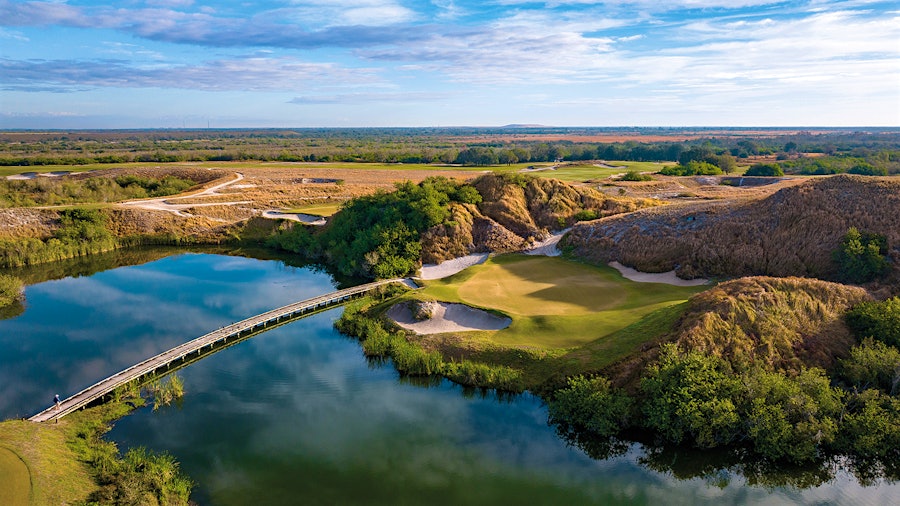
Drive an hour east from the Tampa airport and you might think you were on another planet. Things like stores, restaurants and even gas stations cease to exist as you enter the rural nothingness between Tampa and Orlando. When the area’s mining of phosphate (a key ingredient in fertilizer) wound down, corporate owners had a golf epiphany and created a build-it-and-they-will-come fantasy. Streamsong’s three courses claim a place among the top-100 ratings of every major golf publication, collectively sitting ahead of Pebble Beach, Destination Kohler and most every other resort with multiple top 100s. The exception is Bandon Dunes, which is the work of the same architects.
The Red course, designed by Bill Coore and Ben Crenshaw, is built on a massive sand-capped site on top of the old mining operation. Sand is the foundation for great links of the British Isles, as well as American gems such as Pine Valley and Pinehurst. It works here too, with linksy fairway grasses and dunes standing seven stories high. Streamsong mirrors neoclassic style found at Bandon and Cabot Cape Breton, but lacking coastline, throws more water hazards into the mix. With lakes and vast exposed waste areas, it’s sort of a Florida twist on the North Carolina Sandhills. Red is the highest-rated course here—and in Florida—but the scores are close and fans rank them in every possible order.
Tom Doak (Pacific Dunes, the Lido) designed Blue with a dramatic start. You climb a footpath to the highest dune on the course for a downhill drive to the valley fairway, an unforgettable opening. Blue differs from Red in that the water hazards are closer to the tees than greens, for more forced carries but less penal approaches. Its sloped, undulating greens are more severe as well, making three and four putts a sad fact of life.
The Black, by Gil Hanse, was rated the nation’s best new course in 2018 when it opened. Popular opinion of the course is often divided based on its distinctly enormous greens. While all of Streamsong’s putting surfaces are large, Black’s can make you wish you had bulked up before trying to get the ball to the hole. Blue is the all-around best in terms of variety, memorable holes and shot making, but Black is the most fun to play and user friendly (at least until you have to putt), with its wide, hard-to-miss fairways and greens.
All three courses allow walking, and offer caddies.
In addition to the three 18s, there is the new Chain, a 19-hole short course by Coore and Crenshaw with no pars and no tees. Most holes are one-shotters, but some play as long as almost 300 yards. This is part of golf’s latest trend, match play-courses where the winner of the previous hole decides where to tee it up within an enormous expanse, and it’s about winning the hole rather than keeping score.
Streamsong is a full-service modern resort with lots of amenities and spans a staggering 7,000 acres that include guided bass fishing, sporting clays, tennis and archery. With plenty of room for more golf, Streamsong recently announced another 18 that will be designed by acclaimed Bandon Dunes architect David McLay Kidd. The main 228-room hotel has a rooftop bar and full spa. A dozen rooms in the original golf clubhouse can be packaged into a single “virtual villa” for a large group—the ultimate golf trip takeover. Dining options are impressive, which is key because no other options are anywhere nearby. These include a creative high-end steakhouse, a very impressive upscale Italian eatery and a Southern spot with such regional specialties as pheasant and grouper. Even the golf halfway houses go the extra step culinarily. Each course has a signature specialty, such as lobster rolls and street tacos.
Streamsong is the most remote golf resort in the area but has everything guests need, at a price. If you want to economize on beer, wine, golf balls, cigars or anything else, buy them as soon as you leave the airport, as there is nothing on the way.
The Next Big Thing
Cabot Citrus Farms
The Cabot Collection is the world’s fastest growing brand of high-end golf resorts. It dates back to 2011, with Cabot Cape Breton, now the number one golf resort in Canada. Today, it comprises properties from the Canadian Rockies to France, Norway, Scotland and the Caribbean. The latest to (mostly) open is Cabot Citrus Farms, an hour north of Tampa.
While occupying the former site of World Woods, it adds a full resort component. Cabot’s philosophy is a village-style “decentralized hotel” and all the accommodations are in two- to four-bedroom lodges, each with full kitchen and living rooms, perfect for foursomes or eightsomes. Each also has an outdoor patio, which is key because cigars are a big thing here, with a humidor at every food-and-beverage outlet and the golf course halfway house.
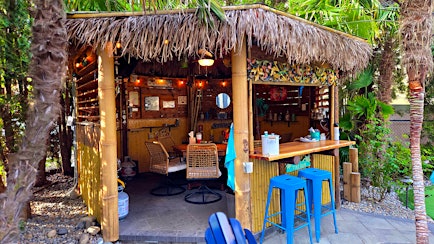
Much of the dining is also al fresco, such as The Porch, a fun and cool, outdoor hilltop enclave of three antique trucks, picnic tables and couches. The trucks have been converted to include a smoker for Southern barbecue, brick oven pizza and a bar (complete with a humidor). The Porch anchors the resort’s natural grass putting course and 11-hole short pitch and putt course, which is lighted for night play. It’s a great way to tune up before a round, but many guests also like to play it at cocktail hour—with its cup holders at every tee—or on the night of arrival.
The halfway house serves up Mexican specialties. Grange Hall is the biggest eatery, with three meals daily, indoor and outdoor seating and such staples as burgers, steak and seafood.
Current construction includes the spa, fitness facility and some additional recreation, such as racquet courts, planned for the future. The lodges are all individually owned and more real estate is also under construction. Other outdoor activities in place include guided bass fishing, five-stand clays shooting, archery and axe throwing, but for now it’s all about golf so it’s not the best choice with a non-golfer in tow. It’s not as remote as Streamsong, but this is a self-contained resort you are not likely to leave, though some guests do dine or stay in less expensive lodging in Brooksville, the closest town, a 20-minute drive away.
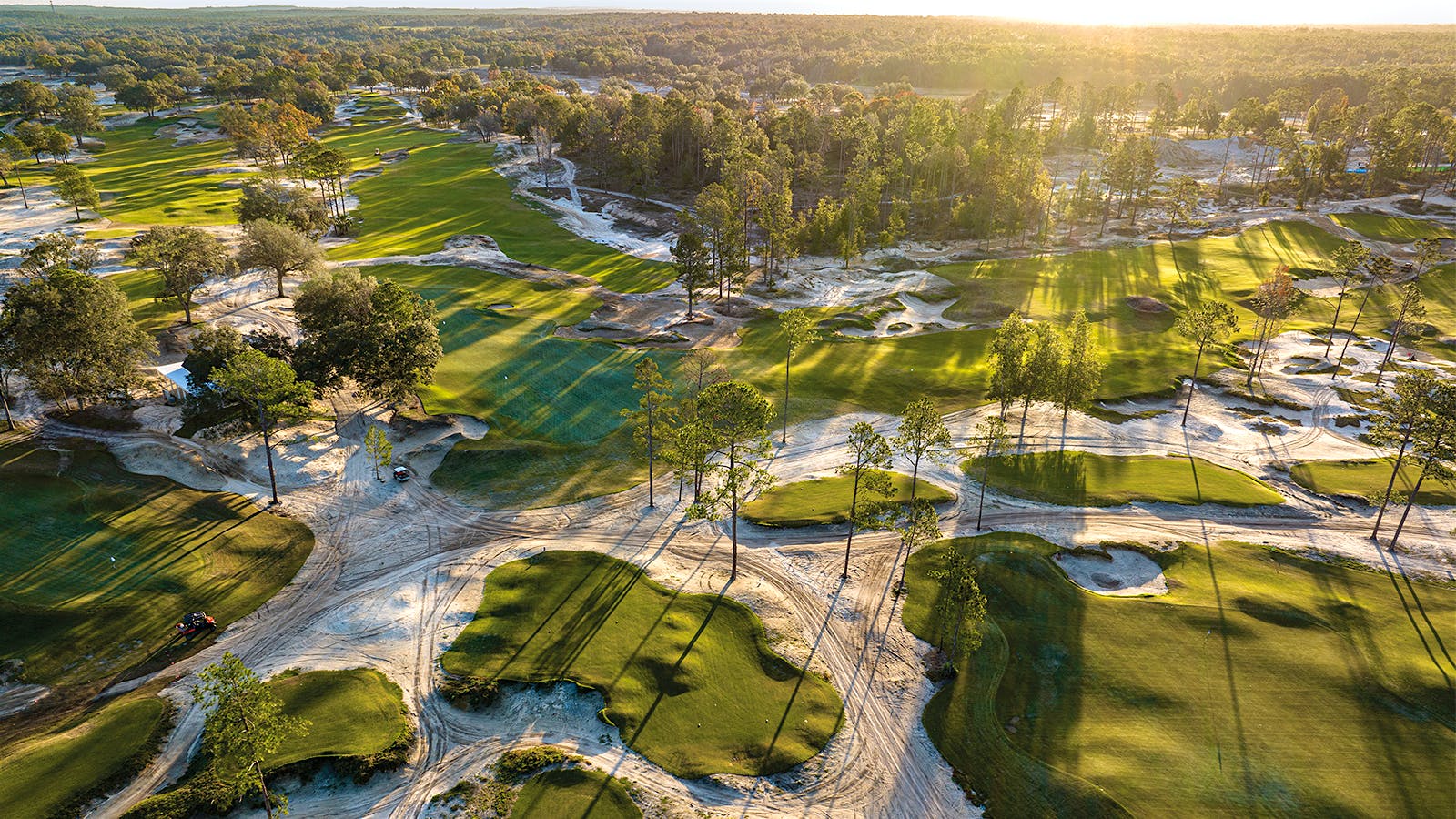
While the 1,200-acre site was a former citrus farm, the signature vegetation is the century-plus old live mossy oaks dotting the courses’ fairways. The stars here are the two new 18s, the first of which, Karoo, opened last year and quickly was ranked on Top-100 lists. The just-opened Roost has not been rated but almost certainly will join its sibling. Both are rolling, wide-open, links-inspired layouts with ample waste areas and surprising elevation changes for Florida. Kyle Franz was one of the main designers of both courses and was also responsible for the incredible restoration of three Pinehurst-area courses. Fans of Pinehurst will find plenty to like here, but with more waste areas and the impressive oaks instead of pines.
An excellent practice facility has dual Trackman-equipped ranges and monitors at every hitting bay. The heavily undulating grass putting course next to it is great practice for these tricky, large greens. With just one lake on the 36 holes, it is entirely possible for even a mid-high handicapper to play 36 here without losing a ball, especially since caddies or forecaddies are mandatory, as is walking.
These are fun, strategic courses, especially Karoo, which has a few split fairway holes, numerous strategic decisions to make and one of the best risk/reward drivable par-4s in golf. Its finish is especially strong, making you want to immediately go around again. Like at Streamsong Black, the greens are so large you sometimes have to squint to see the flag when putting. The newer Roost has a similar feel but the design is more traditional, with fewer non-driver options and less severe greens. It is longer from the tips, giving rise to rumors of a possible bid for the U.S. Open. Befitting a major is a stretch of dogleg holes with elevation changes reminiscent of Augusta National.
The Classic
Innisbrook Resort
Anchoring this area as a prime golf region, the long-established Innisbrook resort has aged very well, thanks to a takeover by hospitality magnate Sheila Johnson’s Salamander Collection, with luxury resorts from Charleston to Aspen to Jamaica. Salamander was a partner in the October 2024 purchase of PGA National Resort & Spa on Florida’s east coast and will run the hospitality operations. This gives the company the state’s two largest golf resorts and half of its PGA Tour venues.
Innisbrook is most famous for the daunting Copperhead course, host of the PGA Tour’s Valspar Championship, whose winners include Jim Furyk, Jordan Spieth and Vijay Singh. It is consistently rated one of the most difficult on the Tour, yet is voted a favorite venue of the pros. It’s “the best course we play,” said Paul Azinger, golf analyst and former pro.
Copperhead is underrated, in all likelihood because it does not have a brand-name architect. It is a fabulous course that achieves the most difficult dichotomy in golf, challenging the best players in the world while remaining a lot of fun for weekend warriors. It plays very differently from every tee, and from the white tees, it is a stroke or two easier than Innisbrook’s Island course. From the back, however, it’s a punishing 7,200 yards.
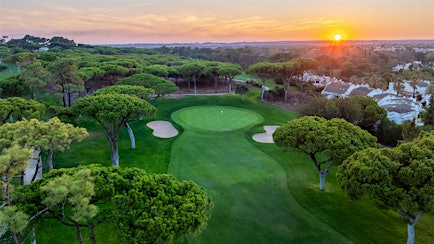
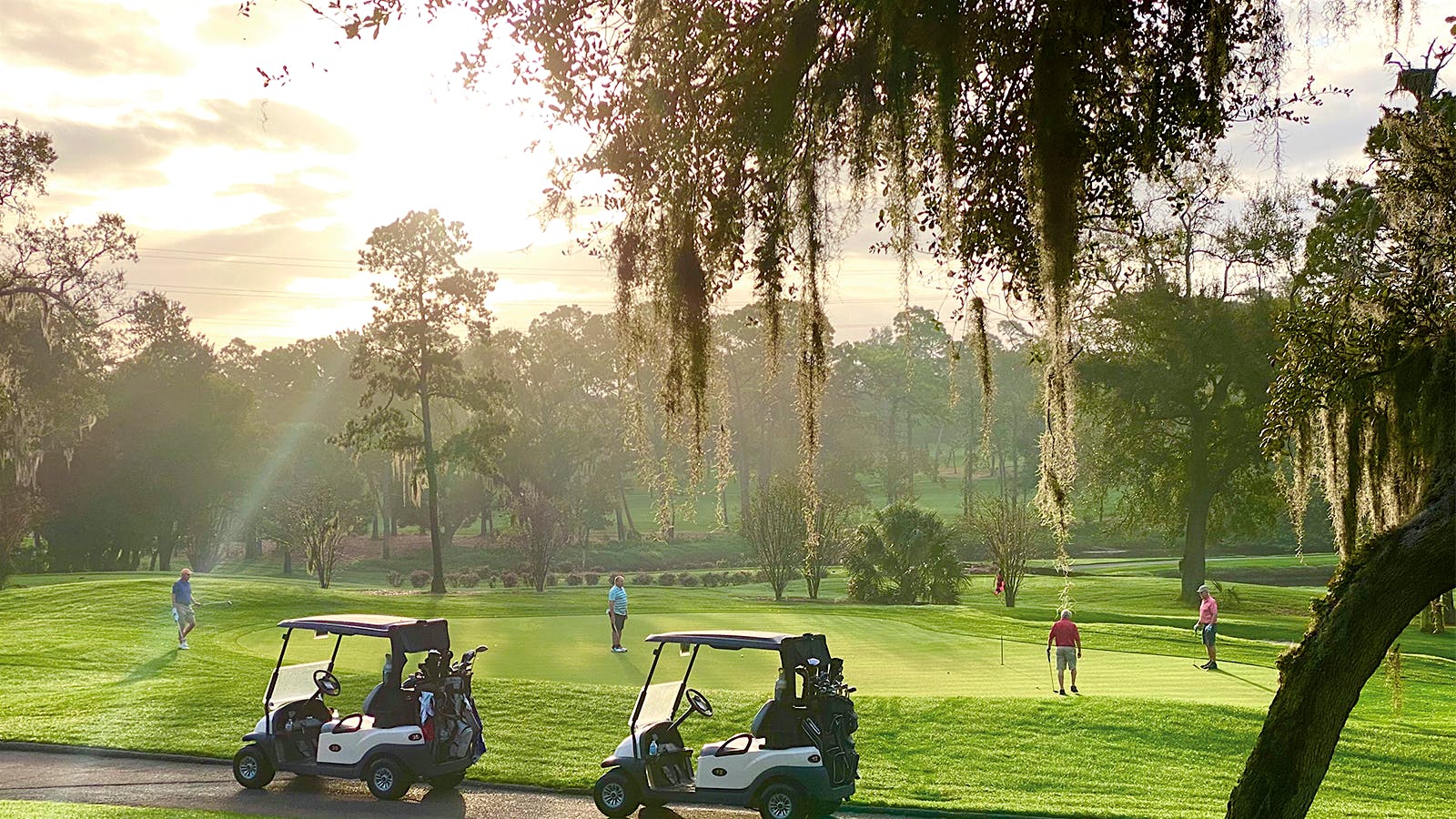
Even though it debuted more than half a century ago, Copperhead was ahead of its time in carving out this region’s niche of impressive elevation changes. The first tee plays substantially downhill to a tree-lined fairway that might be in the northeast. It is full of tall mature pine trees and the rolling movement continues all the way through the tough, final uphill hole. It is a stylistic departure from the two newer resorts, classic parkland with a little bit of everything, including water, with a do-or-die bulkheaded peninsula green par-3. The biggest challenge is a ton of deep bunkers, in the fairways and greenside. Sand saves will be required to score well here. It is a fun, challenging roller-coaster ride where even mid-handicappers can squeeze out a few pars and maybe the occasional birdie, all of which feel sweeter given its nefarious reputation.
The Island course was considered for a PGA Tour event, but it lacks the room for stands and spectator facilities. It has hosted the LPGA and Symetra (now Epson) Tours, as well as the NCAA Championship, which Phil Mickelson won here. It offers plenty of challenge—the front nine is the toughest at the resort, with a lot of water, often on both sides of the fairway, and it is a target course that does not forgive off-line shots. The first four holes all have significant aquatic challenges, as do six of the first nine, and the daunting par-5 second is the rare three-shotter where the hardest shot is the second. The Island changes personality dramatically after the front, becoming a wide open, grassy and mostly dry (until 17) course routed through a residential neighborhood. The back is much easier.
The South Course is the most user friendly 18, capping out at just 6,600 yards from the tips. While it features the same challenges of water and ample bunkering as its peers, it plays much shorter, in part due to the fast running, wider and more links-style fairways. The North is a full-sized, nine-hole course famous for its island green and would be an ideal tune up before a midday round on the Copperhead.
Innisbrook has one key feature the newcomers lack, a dedicated golf instructional academy with its own 10-acre teaching facility. Award-winning head instructor Dawn Mercer has been teaching for more than 30 years. She and her team offer four-day immersion camps, private lessons and more.
If Innisbrook has one secret edge among top golf resorts, it is the staff. As opposed to new, seasonal resorts in remote locations, Innisbrook is a well-established and consistently year-round operation with many employees who go back three decades. The story goes that Johnson visited incognito and bought the resort more for its employees than facilities. From waiters to front desk to the ebullient starters on the golf courses, few staffs are friendlier or better trained.
Innisbrook is a traditional Florida golf community and resort, with lots of homes and its 63 holes spread out around the large property. Its many clubhouses each have dining, including an impressive but laid-back steakhouse in the Copperhead clubhouse. The spa-centric Salamander’s takeover added a well-equipped fitness center to extensive racquet club and many pool complexes. Resort lodging is entirely in low-rise condo lodges and most feature at least kitchenettes if not full kitchens, living rooms and outdoor terraces. Everything is linked by free on-demand shuttles, or you can drive. The cigar offerings are not as impressive as Cabot’s but cigars are sold in all the golf shops.
Compared with the two secluded newer resorts, Innisbrook is absolutely bustling, and is also the most convenient, located in a busy suburban area with numerous shopping and dining options immediately outside the gate. TPC Tampa Bay, the premier daily-fee course in the area, is less than 19 miles away. It’s just 12 miles from Clearwater, and well under an hour to get to St. Petersburg or Tampa, which is known as Cigar City.